

Table of Contents
An IV drip can ease recovery by restoring hydration and easing nausea after surgery.
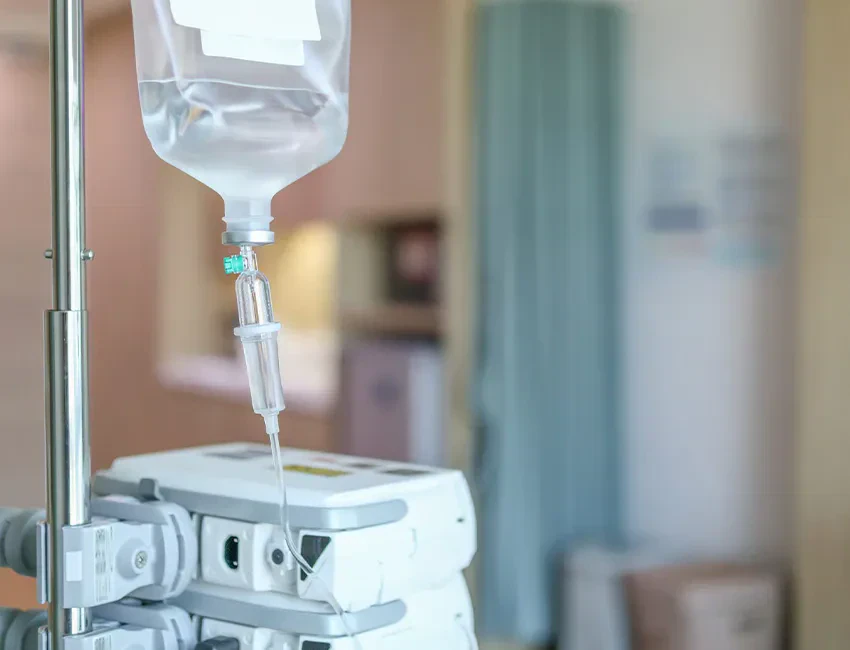
Looking for a little extra support as you recover after oral surgery? An IV drip can help you rebound by restoring hydration and delivering medications that ease common symptoms. An IV drip is a small tube that delivers fluids, and sometimes nutrients or medicine, directly into your bloodstream. After surgery, an IV drip can quickly replace lost fluids and calm nausea, so you feel more comfortable while you heal. That comfort can help you get back on your feet in time for Reyes Adobe Days.
Key Takeaways
- An IV drip restores hydration and electrolytes quickly after surgery. Good hydration supports your recovery.
- It can also deliver anti-nausea and other medications. That eases common post-surgery symptoms.
- Because it bypasses the stomach, it helps when you feel queasy. The fluids absorb right away.
- An IV drip supports comfort and healing, but it does not replace rest. Aftercare still does the heavy lifting.
- A provider reviews your health first and tailors the drip. It is a simple, safe procedure for most people.
Can an IV Drip Help You Recover After Oral Surgery?
The biggest benefit is fast, reliable hydration. According to the Cleveland Clinic, IV fluids are specially formulated liquids delivered into a vein to prevent or treat dehydration, and they are commonly used for people undergoing surgery. Staying well hydrated helps your body function and heal. An IV drip makes that hydration quick and effortless during recovery.
What Does an IV Drip Do After Oral Surgery?
An IV drip works on a few fronts at once. It replaces the fluids and electrolytes your body loses during surgery and the stress that follows. It can also carry medications, like anti-nausea or anti-inflammatory drugs, straight into your bloodstream. Because it skips the stomach, it is helpful on days when eating and drinking feel hard.
What Is Usually in an IV Drip?
The core of any drip is a balanced fluid that rehydrates you. Beyond saline and electrolytes, a drip can be tailored with anti-nausea medicine, anti-inflammatories, or vitamins based on your needs. Your provider chooses the mix that fits your procedure and health. Every blend starts with hydration, then adds only what is helpful for you.
Does an IV Drip Speed Up Healing After Oral Surgery?
It helps most by keeping you comfortable and well hydrated. Good hydration supports the body’s natural repair work, so you may feel less fatigued and queasy. Still, an IV drip is a support, not a cure, and it works best when paired with good aftercare. Rest, soft foods, and following your instructions remain the foundation of healing.
Who Might Benefit Most From an IV Drip?
Some people feel the difference more than others. Those who had sedation, feel nauseous, or struggle to drink enough may appreciate the quick rehydration. It can also help after a longer or more involved procedure. A provider reviews your health and confirms whether a drip is a good idea for you.
Frequently Asked Questions
Is an IV drip safe after oral surgery?
For most healthy people, IV hydration is a simple, safe procedure with a low risk of complications. A provider reviews your medical history first to be sure it is right for you.
Does an IV drip replace rest and aftercare?
No, it is a supportive comfort measure, not a substitute. Rest, soft foods, and following your aftercare instructions still do the real work of healing.
How long does an IV drip take?
A typical session takes about thirty to forty-five minutes, depending on how much fluid you need. You can usually relax comfortably the whole time.
How Do You Prepare for an IV Drip?
Preparation is simple and low-stress. Share your full health history and any medications so the drip can be tailored safely. Eating a light meal beforehand and wearing comfortable clothing both help. If sedation was part of your surgery, arrange a ride home to be safe.
What Should You Do Alongside an IV Drip?
An IV drip works best as one part of good overall aftercare. The fluids handle hydration, but the rest of your recovery still depends on what you do over the next few days. Pair it with these habits:
- Rest Up. Give your body a day or two to heal. Sleep is when much of the repair happens.
- Keep Sipping. Drink cool water as you feel able. Hydration continues long after the drip ends.
- Eat Soft Foods. Gentle, nourishing meals fuel recovery. They are easy on a tender mouth.
- Follow Instructions. Take medications and care steps as directed. Your team’s plan guides a smooth recovery.
- Watch for Changes. Note any worsening pain or swelling. Call your provider if something seems off.
A Smoother Recovery
An IV drip will not replace good aftercare, but it can make recovering after oral surgery more comfortable. By restoring hydration and easing symptoms like nausea, it helps you feel more like yourself sooner. If you have a procedure coming up, ask whether IV drips could be a helpful part of your recovery plan.
- If you want to learn more about how an IV drip can help you recover after oral surgery, visit our IV Drips in Agoura Hills, CA, page or schedule a consultation.