


Table of Contents
Teeth grinding, also known as bruxism, can gradually wear down enamel and change the appearance of your smile. Many people do not realize the damage until they begin to notice chips, flattening, or increased sensitivity. If you are dealing with teeth damaged by grinding, you may be wondering what options are available to restore your smile. The good news is that modern treatments, including cosmetic dentistry, can help repair visible damage while improving both function and appearance.
Key Takeaways
- Teeth grinding can lead to visible and structural damage to teeth over time.
- Cosmetic dentistry can restore shape, color, and overall appearance.
- Early treatment helps prevent further wear and complications.
- Different treatments are used depending on the severity of damage.
- Addressing the cause of grinding is important for long-term results.
How Grinding Damages Your Teeth
Grinding places repeated pressure on the teeth, often during sleep when you are unaware of it. Over time, this constant friction can wear down enamel, which is the protective outer layer of the tooth. Once enamel is reduced, the inner layers become more exposed and vulnerable.
As grinding continues, teeth may become shorter, flatter, or uneven. Small cracks or chips can develop, and sensitivity may increase due to enamel loss. These changes can affect both the look of your smile and how your teeth function during everyday activities like eating or speaking.
Common Signs of Grinding-Related Damage
Teeth damaged by grinding often develop gradually, making it easy to overlook at first. These symptoms can indicate that grinding is affecting both your teeth and surrounding structures. Many people only recognize the issue once visible changes become noticeable or discomfort increases. Some common signs include:
- Flattened or worn-down tooth surfaces
- Chipped or cracked edges
- Increased tooth sensitivity
- Jaw soreness or tightness, especially in the morning
Can Cosmetic Dentistry Repair Grinding Damage?
Cosmetic dentistry offers several ways to restore teeth that have been affected by grinding. The goal is to rebuild lost structure, improve appearance, and protect the teeth from further wear. The type of treatment recommended depends on how much damage has occurred.
For minor wear, simple reshaping or bonding may be enough to restore the natural look of the teeth. In more advanced cases, treatments such as veneers or crowns may be used to rebuild the tooth’s surface and provide additional protection. These approaches help restore both function and aesthetics.
Treatment Options for Different Levels of Damage
The severity of grinding-related tooth damage determines which cosmetic solutions are most appropriate. Each treatment offers different benefits, and the best choice depends on your individual goals and oral health condition. A personalized plan ensures that treatment addresses both visible concerns and underlying structural needs. Common options include:
- Bonding to repair small chips and smooth uneven edges
- Veneers to improve shape, color, and symmetry
- Crowns to restore heavily worn or weakened teeth
- Enamel reshaping for minor adjustments
Why Treating the Cause Matters
Repairing the visible damage is only one part of the solution. If grinding continues, newly restored teeth can be affected over time. That is why identifying and managing the underlying cause is essential for long-term success.
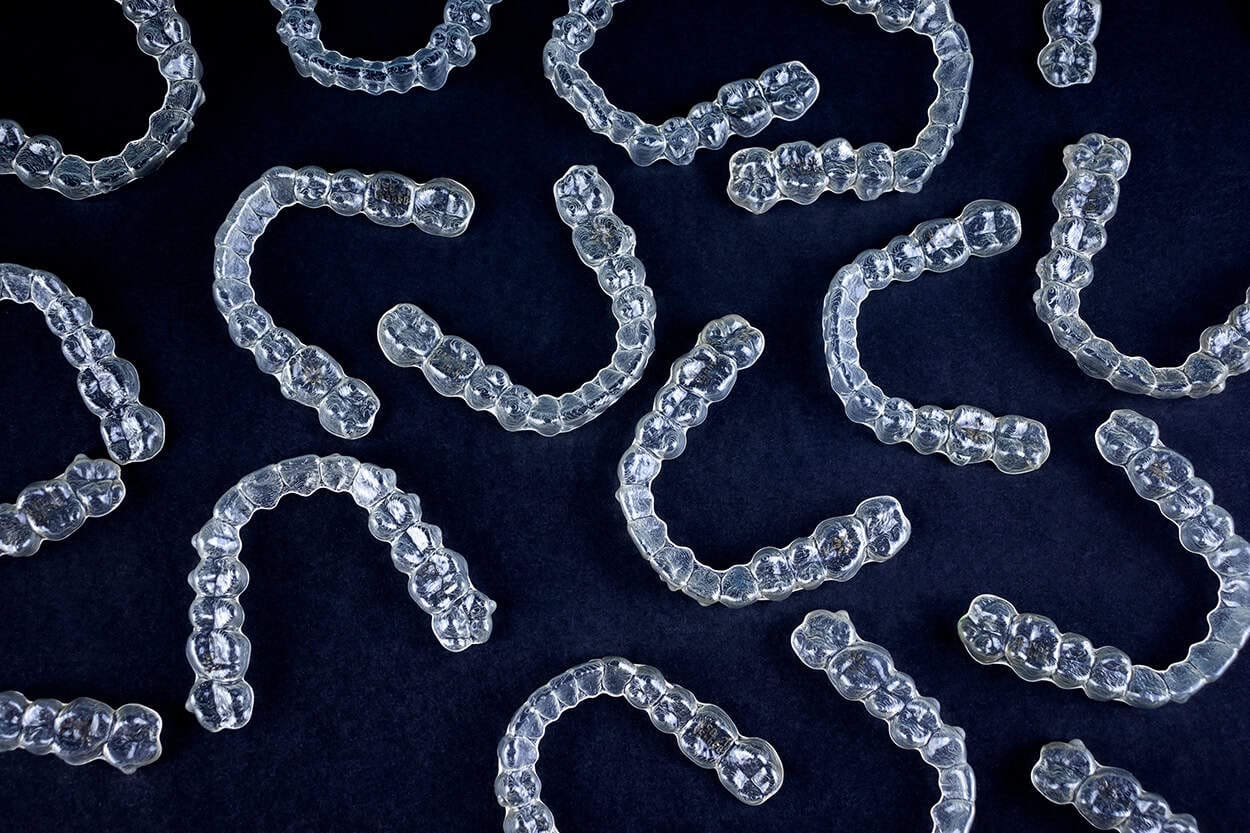
Dentists may recommend protective measures such as night guards to reduce pressure on the teeth. Stress management, lifestyle changes, or addressing bite alignment may also help reduce grinding. Combining cosmetic treatment with preventive care helps maintain results over time.
Long-Term Benefits of Cosmetic Restoration
Addressing teeth damaged by grinding can improve more than just appearance. Restoring proper tooth shape helps improve bite balance and chewing efficiency. It can also reduce sensitivity and discomfort associated with enamel loss.
Many patients also notice increased confidence after treatment. A more balanced, natural-looking smile can make everyday interactions feel more comfortable. Over time, maintaining restored teeth with good habits helps support lasting oral health.
Frequently Asked Questions
Can grinding damage be completely reversed?
While lost enamel cannot grow back, cosmetic treatments can restore the appearance and function of damaged teeth.
Do veneers or crowns protect against future grinding?
They provide protection, but managing grinding habits is still important to prevent further damage.
Is cosmetic treatment painful?
Most procedures are comfortable and designed to minimize discomfort.
How do I know if I grind my teeth at night?
Common signs include jaw soreness, headaches, and worn tooth surfaces.
Will I need multiple treatments?
This depends on the severity of damage and your treatment goals.
Restoring Teeth Damaged by Grinding
If you are dealing with teeth damaged from grinding, you are not alone, and effective solutions are available. Cosmetic treatments can rebuild worn teeth, improve appearance, and restore function, helping you feel more confident in your smile. However, long-term success depends on addressing both the damage and the habits that caused it. With the right approach, including treatments like cosmetic dentistry, it is possible to repair damage and protect your teeth moving forward. Taking action early helps preserve your smile and supports better oral health for years to come.
If you want to learn more about cosmetic dentistry, visit our Cosmetic Dentistry in Agoura Hills page or schedule a consultation.