

Table of Contents
Is twice a year really a magic number, or just something dentists made up to keep their schedules full? The twice-yearly cadence actually traces back to dental research conducted decades ago, and it has held up remarkably well as a baseline for most healthy adults. Most patients only need to see the dentist twice a year, and during those visits, professional cleanings and dental exams catch the kind of small issues that would otherwise turn into bigger problems. Knowing why that timing works helps the visits feel more purposeful than routine.
Key Takeaways
- Most healthy adults benefit from two cleanings and two checkups per year.
- Patients with certain conditions or risk factors may need to be seen more often.
- Routine visits catch cavities, gum disease, and other issues before they become painful.
- Professional cleanings remove tartar that even the best home care cannot reach.
- Skipping visits often costs more in the long run than keeping up with regular care.
Where the Twice-a-Year Rule Comes From
The standard recommendation has been around for decades, and it is based on a simple reality. Plaque begins to harden into tartar within 24 to 72 hours of forming on the teeth. Once tartar is in place, no amount of brushing or flossing at home can remove it. Six months is roughly the window in which most patients accumulate enough tartar, surface staining, and small problems to make a professional cleaning worthwhile.
It is not a one-size-fits-all rule, but it works for the majority of patients. Some need more frequent visits, while a smaller number can stretch the timing slightly, but the twice-yearly cadence is a sensible starting point for almost everyone.
What Actually Happens When You See the Dentist
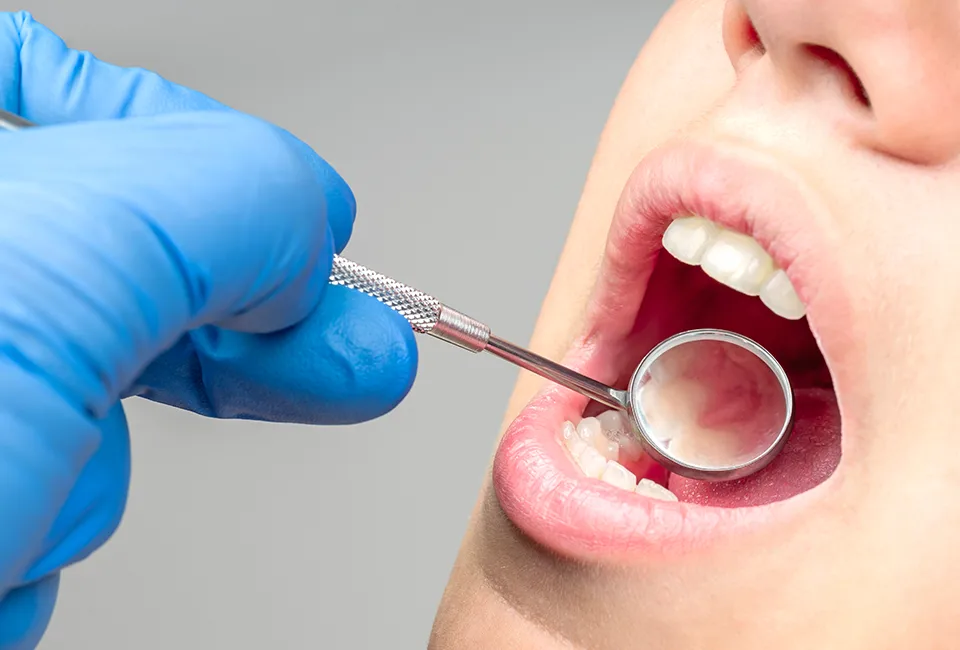
A standard visit is usually broken into two parts. The first is a professional cleaning, where a hygienist removes the tartar and plaque your toothbrush cannot reach, polishes the surface of your teeth, and reviews your home care routine. The second is the exam, where the dentist evaluates each tooth, checks for cavities and early signs of gum disease, and performs an oral cancer screening. Most visits also include digital X-rays once a year to catch problems that are not visible on the surface.
The visit usually lasts under an hour. Patients in the Conejo Valley and surrounding communities often build the appointment into a lunch break or a quick errand stop, and most leave feeling like they put their oral health back on track.
Who Should See the Dentist More Often Than Twice a Year
Certain patients benefit from more frequent visits, sometimes every three or four months:
- History of gum disease: Patients in active periodontal maintenance usually need cleanings every three to four months.
- Smokers and tobacco users: Tobacco affects both the gums and the risk of oral cancers, which raises the value of more frequent screenings.
- Patients with diabetes: The connection between diabetes and gum health usually warrants closer monitoring.
- Heavy plaque or tartar buildup: Some patients simply build up deposits faster than others and benefit from shorter intervals.
- Patients in orthodontic treatment: Braces and aligners make home care harder, which can require more frequent professional support.
What Tends to Happen When Patients Skip Visits
Most dental problems do not start with pain. Cavities, early gum disease, cracked fillings, and the early stages of grinding damage all develop quietly. Patients who skip a year or two of visits often come back with a list of issues that started small and could have been handled in a single appointment if they had been caught earlier.
The cost of catch-up dentistry is almost always higher, both in dollars and in time, than the cost of staying on schedule. The cleanings are also more involved after a long gap, since tartar buildup takes more work to remove, and the gums need extra attention to recover.
Twice a Year Pays Off
The twice-yearly visit may sound routine, but the value adds up quickly. Regular cleanings and dental exams catch issues while they are still small, keep your teeth and gums in better shape, and save you time, money, and discomfort over the years. If it has been a while since your last visit, the best time to get back on track is now, before small issues have a chance to grow into bigger ones.
- If you want to learn more about staying ahead of dental problems, visit our Dental Exams in Agoura Hills, CA, page to schedule a consultation.