

Table of Contents
Knowing what to expect before straightening your teeth leads to a smoother, more satisfying result.
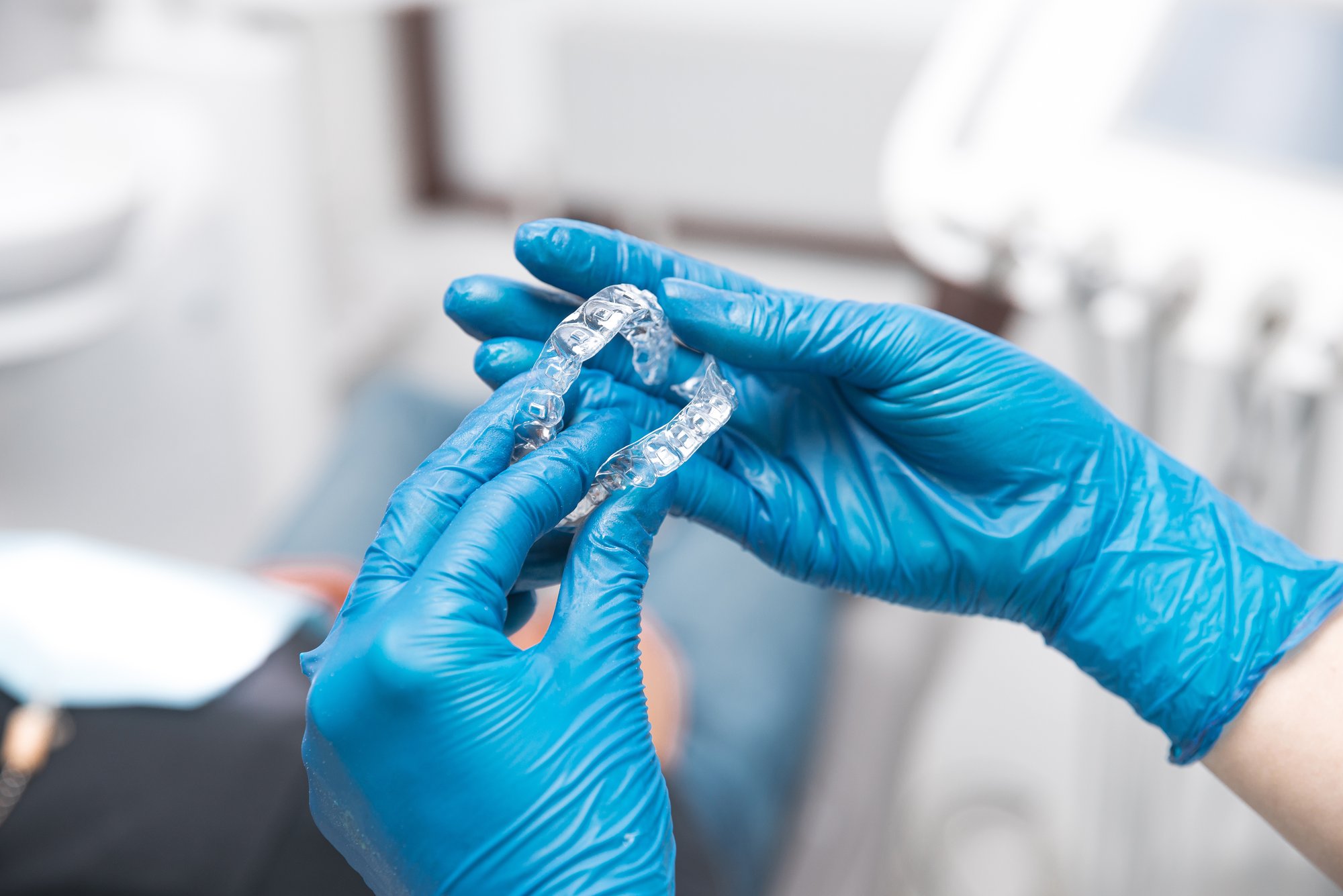
Considering clear aligners but unsure what the process actually involves? A little preparation goes a long way. Before you straighten your teeth, it helps to understand how Invisalign works, what it asks of you, and what results are realistic. Invisalign uses a series of clear, removable aligners that shift teeth gradually into better alignment. Knowing these five things in advance clarifies the decision and makes the treatment much more predictable.
Key Takeaways
- Consistent daily wear, not the aligners themselves, determines how well treatment works.
- Clear aligners handle most common alignment issues, though complex cases may need alternatives.
- Treatment length varies widely depending on how much your teeth need to move.
- Retainers are a permanent part of the plan, not an optional final step.
- A thorough evaluation up front sets realistic expectations for your results.
1. Wear Time Determines Your Results
This is the single biggest factor in success. According to the American Association of Orthodontists, clear aligners are removable and should be worn 20 to 22 hours a day for the best results. That means taking them out only to eat, drink anything other than water, and brush. Falling short of that window slows progress and can push your finish date back by weeks. The aligners are designed around a specific sequence, and each set builds on the movement the previous one achieved. Skipping wear time breaks that sequence.
The flexibility that makes aligners appealing also makes discipline essential. If you know you would struggle to keep them in, that is worth discussing honestly before you start, because the aligners only work while they are in your mouth.
2. Not Every Case Is a Fit
Aligners are versatile, but they have limits. They handle crowding, spacing, and many bite issues well, while severe rotations, significant bite corrections, or complex jaw discrepancies sometimes call for other approaches. An evaluation with imaging shows what is realistically achievable in your case. Weighing the Invisalign pros and cons honestly at this stage saves disappointment later. A good provider will tell you plainly if another method would serve you better, and that candor is a sign you are in the right hands. Hearing an honest assessment early is more valuable than an optimistic promise that does not hold up. Imaging also reveals issues that are not visible in the mirror, including root positions and bite relationships that shape what is possible.
3. Timelines Vary More Than You Expect
There is no single answer to how long it takes. Minor spacing corrections can finish in a matter of months, while more involved cases run well past a year. Your treatment plan is mapped out digitally at the start, so you get an estimate before committing. That estimate assumes consistent wear, which brings the first point back into play. Mid-treatment refinements are common and normal, adding a few extra sets of aligners to fine-tune the result. Building a little flexibility into your expectations keeps the process from feeling like it is dragging when it is actually progressing exactly as planned. Check-in appointments are typically brief and spaced several weeks apart, so the treatment rarely disrupts a working schedule.
4. Adults Are a Large Share of Patients
Orthodontics is no longer just for teenagers. Choosing Invisalign for adults has become common, partly because the aligners are discreet enough to wear through meetings, presentations, and social events without drawing attention. Adult treatment does come with considerations teenagers do not face, including existing dental work, gum health, and bone density, all of which a provider evaluates beforehand. Crowns, bridges, and past restorations may affect how attachments are placed. None of this rules out treatment; it simply means the plan is built around the mouth you have now rather than a textbook case. Adult bone also remodels more slowly than a teenager’s, which can lengthen treatment somewhat.
5. Retainers Are Part of the Deal
Teeth naturally drift back toward their original positions, a tendency that does not expire. That is why retainers follow every orthodontic case, aligners included, and why they are best thought of as part of the treatment rather than an afterthought. Most people wear them full time briefly, then shift to nights indefinitely. Skipping them is the most common reason results fade over the years. Planning for retainers from day one protects the investment you just made, and it keeps the smile you worked for looking the way it did the day you finished. Replacement retainers are inexpensive compared with repeating treatment, so keeping a spare is worth considering.
Going in Well Informed
Before you straighten your teeth, understanding wear time, candidacy, timelines, and retainers turns a big decision into a manageable one. Invisalign works remarkably well for the right case and the committed patient, and its discretion is a genuine advantage for adults. The clearer your expectations at the start, the more satisfying the result feels at the end, and the fewer surprises turn up along the way.
- If you want to learn more about what to know before you straighten your teeth, visit our Invisalign Clear Aligners in Agoura Hills, CA, page or schedule a consultation.