

Table of Contents
Coffee, tea, red wine, and deeply pigmented foods stain teeth more than anything else.
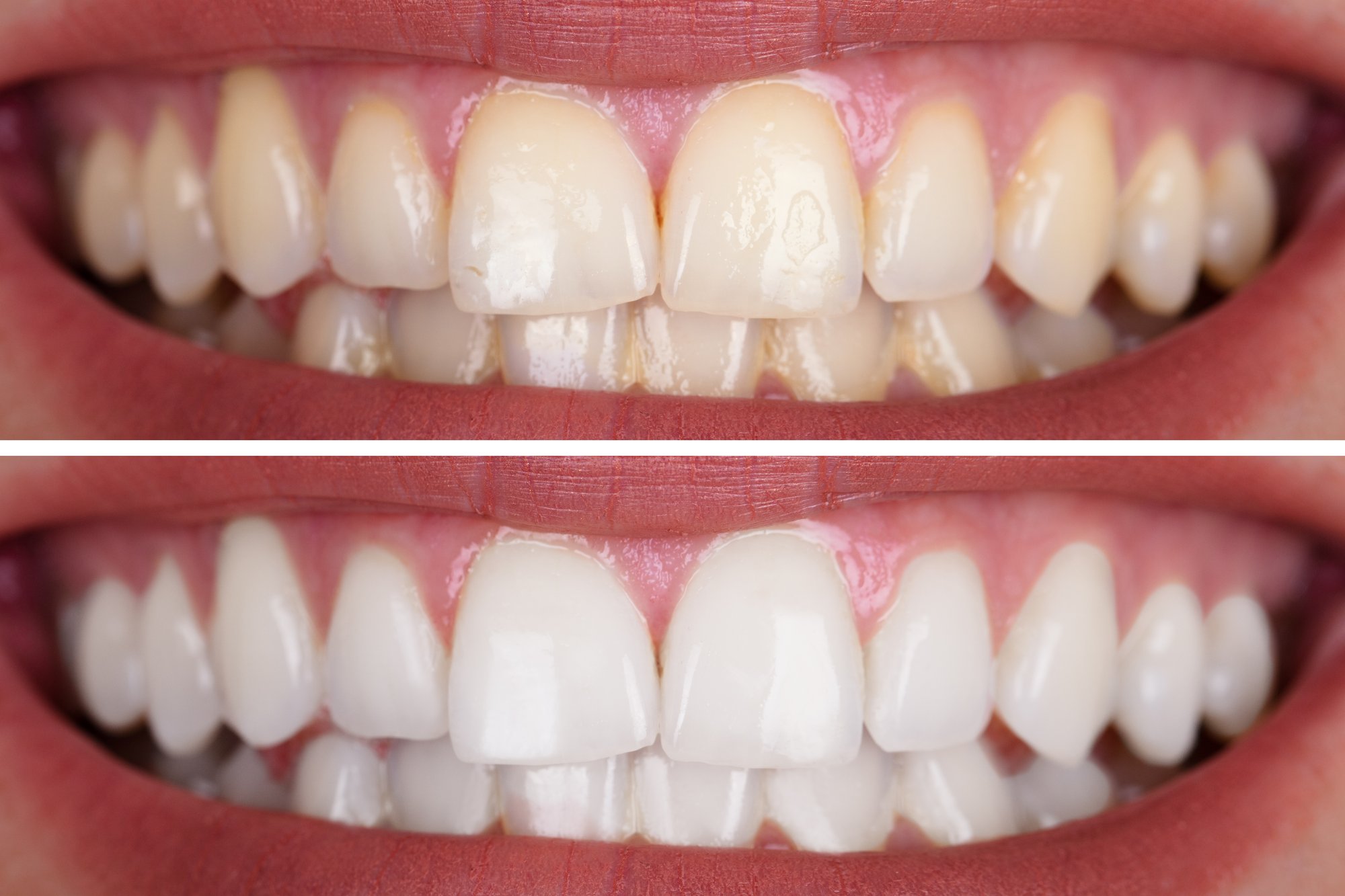
Wondering why your smile looks duller than it did a few years ago? Your diet is often the culprit. Knowing which foods and drinks stain teeth the most helps you protect your results between teeth whitening appointments. Teeth whitening lifts the discoloration that builds up on enamel over time. Understanding what causes those stains in the first place makes the brightness last considerably longer. Most of the worst offenders are things people consume daily without a second thought, which is precisely why the effect accumulates so quietly over the years.
Key Takeaways
- Dark pigments, tannins, and acid are the three properties that make stains stick.
- Coffee, black tea, and red wine are the most common, everyday offenders.
- Berries, curry, soy sauce, and tomato sauce also leave noticeable discoloration.
- Acidic drinks soften enamel, making it more receptive to pigment from other foods.
- Simple habits like rinsing and using a straw meaningfully reduce staining.
Why Do Some Foods Stain Teeth?
Three properties work together to darken enamel. Chromogens are the intensely pigmented compounds that give foods their deep color, tannins help those pigments cling to the tooth surface, and acids temporarily soften enamel so pigment settles in more easily. When all three appear in the same glass, as they do in red wine and black tea, the staining potential is high.
A useful rule of thumb is the white-shirt test: if spilling it would leave a stain you would worry about, it can do the same to your teeth over time. That single guideline predicts most of what follows. It also explains why some surprising items belong on the list, including beets and certain sports drinks, while others that seem harmless are perfectly safe.
Does Coffee Really Stain Teeth?
It does, and it is the most common cause for many adults. When people ask whether coffee stains teeth, the answer lies in tannins. According to Healthline, coffee contains tannins, a type of polyphenol that causes color compounds to stick to your teeth, and tea contains them as well.
Black tea is often overlooked, yet its tannin content can make it an even more aggressive stainer than coffee. The change happens so gradually that most people do not notice until they compare an old photo. Adding milk to tea measurably reduces its staining ability, since the casein protein binds the pigments before they reach enamel. It is among the simplest adjustments available, and it costs you nothing in flavor.
What About Wine and Other Drinks?
Red wine is a notorious offender for a reason. It combines deep pigment, tannins, and acidity in a single glass, and it is typically sipped over an extended period, prolonging the exposure. White wine is lighter in color but more acidic, which etches enamel and leaves it vulnerable to stains from whatever you consume next.
Cola and darkly pigmented juices like cranberry, grape, and pomegranate pair strong color with high acidity. Sports and energy drinks deserve mention too, since artificial coloring and low pH make an effective staining combination. Even clear sodas contribute, because their acidity roughens enamel and leaves it primed to absorb color from whatever follows.
Which Foods Are the Worst Offenders?
Drinks get most of the blame, but plenty of foods that stain teeth sit on the plate. Dark berries such as blueberries, blackberries, cherries, and pomegranates carry pigments that penetrate the pores in enamel. Curry, with its turmeric and chili, leaves a yellow-orange cast over time. Soy sauce, balsamic vinegar, and tomato-based sauces are similarly pigmented and often acidic. Beets are deeply colored and surprisingly acidic.
None of these need to disappear from your diet, since many carry real nutritional value, but knowing they contribute helps you plan around them. Pairing them with water, or following them with a crisp food like an apple, limits how long the pigment sits on your teeth.
How Can You Limit the Damage?
Small habits add up to a noticeable difference. Rinsing with water for about thirty seconds after a staining food or drink washes away loose pigment before it bonds. Drinking through a straw keeps cold beverages off the front surfaces of your teeth. Consuming coffee within a shorter window rather than sipping it all morning limits how long enamel sits in acid. Wait roughly thirty minutes before brushing after something acidic, since brushing softened enamel can do more harm than good. Regular cleanings remove surface stains that daily brushing leaves behind, and they reach the areas along the gumline where discoloration tends to concentrate first. None of these habits require giving up what you enjoy.
Keeping Your Smile Bright
The foods and drinks that stain teeth the most share the same traits: deep pigment, tannins, and acidity. Coffee, black tea, and red wine lead the list, with berries, curry, and pigmented sauces close behind. Smart habits slow the process considerably, and professional teeth whitening reverses the discoloration that has already set in. Together, prevention and treatment keep a bright smile looking that way for years.
- If you want to learn more about which foods and drinks stain teeth the most, visit our Zoom! Teeth Whitening in Agoura Hills, CA, page or schedule a consultation.